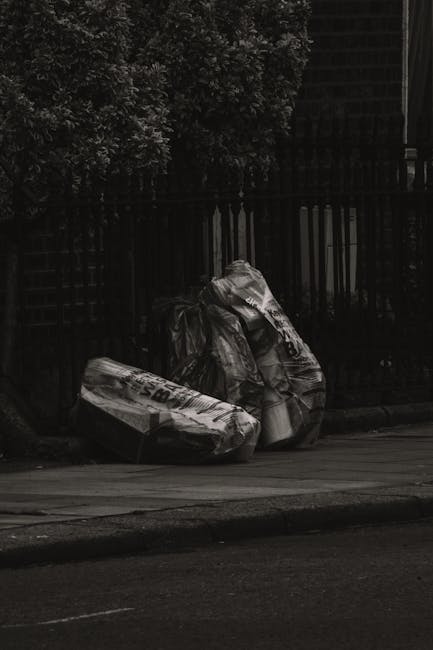
Richmond upon Thames Council rubbish rules and fines explained
If you have ever left a bin out a bit too early, dumped a mattress by the wrong kerb, or wondered whether that bag of DIY waste counts as household rubbish, you are not alone. Richmond upon Thames Council rubbish rules and fines explained is one of those topics people only search for when something has already gone a little sideways. Truth be told, that is usually the worst time to find out the rules. This guide breaks everything down clearly: what the council expects, where the common mistakes happen, what fines can follow, and how to stay on the right side of the system without turning waste disposal into a full-time job.
Before we get into the details, one practical point. If you are dealing with a larger clearance, a house move, a garage clear-out, or mixed waste that will not fit neatly into normal collections, it can be worth looking at a planned service such as waste removal or a more specific option like house clearance. That is not just about convenience. It is often the safer way to avoid a messy fly-tipping mistake or a penalty notice that arrives with rather poor timing.
In Richmond upon Thames, rubbish rules are not simply about keeping the street tidy, although that matters. They are about public health, access, recycling, pavement safety, pest control, and making sure waste is handled by the right people in the right way. Miss the basics and you can end up with a fixed penalty, a warning, or the cost of clearing up a mess that should never have been left there in the first place.
Table of Contents
- Why Richmond upon Thames Council rubbish rules and fines explained Matters
- How Richmond upon Thames Council rubbish rules and fines explained Works
- Key Benefits and Practical Advantages
- Who This Is For and When It Makes Sense
- Step-by-Step Guidance
- Expert Tips for Better Results
- Common Mistakes to Avoid
- Tools, Resources and Recommendations
- Law, Compliance, Standards, or Best Practice
- Options, Methods, or Comparison Table
- Case Study or Real-World Example
- Practical Checklist
- Conclusion
- Frequently Asked Questions
Why Richmond upon Thames Council rubbish rules and fines explained Matters
Most people do not think about rubbish rules until a problem turns up. A missed collection. A bag left beside a full bin. A landlord's tenant who thought "someone else will sort it." Then the issue gets bigger. Waste starts to attract pests, neighbours get annoyed, and what looked like a small slip becomes something the council may treat as unlawful disposal.
That is why this subject matters. Richmond upon Thames is a busy borough with narrow residential streets in many places, shared access areas, flats, family houses, and lots of daily movement. When rubbish is put out incorrectly, it is not just untidy. It can block pavements, create hazards for pedestrians, and make recycling harder for everyone else. The council has to keep the system fair, and fines are part of that enforcement.
There is also a financial angle. A fine for the wrong kind of waste handling can cost far more than arranging proper disposal in the first place. And if you are dealing with bulky items, garden cuttings, builders' rubble, or an office clear-out, the cheapest-looking option is sometimes the one that ends up being the most expensive. Seen it before. Usually on a Monday morning, when the skip is half loaded and somebody says, "I thought that was allowed."
Key takeaway: if the waste is not routine household rubbish, do not assume normal bin collection rules will cover it. Check first, sort it properly, and use the right disposal route.
How Richmond upon Thames Council rubbish rules and fines explained Works
The council's rubbish rules usually come down to three broad questions: what type of waste it is, how it must be presented, and who is responsible for disposing of it. That sounds simple enough. In practice, the details matter.
Household bins are generally for everyday domestic waste and recycling. Some items need separate collection, special booking, or a licensed disposal route. Bulky items, electrical waste, hazardous materials, construction debris, and business waste are all treated differently. If you put the wrong thing in the wrong place, or leave it on the pavement without permission, you may be considered to have breached local waste rules.
Fines are typically used when the council believes someone has:
- put waste out incorrectly
- left rubbish on land or pavement without permission
- dumped items in a public place
- failed to present bins at the right time or in the right way
- disposed of controlled waste improperly
- allowed waste from building works or a business to be mixed into normal domestic collections
Not every mistake leads to a fine straight away. Sometimes a warning comes first. Sometimes it is simply an enforcement visit or a request to remove the waste. But once officers believe there is a clear breach, the matter can escalate fast. That is the bit many people underestimate.
Another thing worth knowing: responsibility does not always sit where people expect. If waste is left outside a property, the person who produced it, the occupier, the landlord, or the contractor may all come under scrutiny depending on the circumstances. That is why clear agreements matter, especially in flats, shared houses, and rental properties.
Key Benefits and Practical Advantages
Following the rules is not just about avoiding trouble. There are practical benefits, and they add up quickly.
- Fewer fines and disputes: if you know what is allowed, you avoid the sort of argument that ends with a warning notice on the door.
- Cleaner streets and shared spaces: rubbish is less likely to spill, smell, or get torn open by foxes and birds.
- Better recycling outcomes: separating waste properly makes it easier for recyclable material to stay out of general waste.
- Less stress during moves or clearances: you are not trying to make decisions at the kerb on collection day.
- Safer handling of bulky or awkward items: some waste is simply easier and safer to remove in a planned way.
For many households, the biggest benefit is peace of mind. You put the waste where it should go, on the right day, in the right container, and you do not have to keep peeking out of the window wondering whether the bag on the pavement will become your problem later.
Businesses benefit too. For offices, shops, and trades, poor waste handling can hurt reputation as well as compliance. If a client arrives and sees bins overflowing or builders' waste stacked unsafely, that is not a great look, to be fair.
Who This Is For and When It Makes Sense
This guide is for anyone who lives, works, manages property, or carries out projects in Richmond upon Thames. That includes homeowners, tenants, landlords, letting agents, tradespeople, shop managers, office staff, and anyone dealing with a one-off clear-out.
It makes particular sense if you are in one of these situations:
- you are moving house and have more rubbish than the weekly bin will take
- you are clearing a loft, garage, shed, or storage room
- you have broken furniture or bulky household items to remove
- you are renovating and need to deal with builders' waste
- you run a small business and need a proper route for commercial rubbish
- you are a landlord or managing agent dealing with mixed tenancy waste
In flats and shared buildings, the rules can be especially awkward. One resident overfills the communal bin store and suddenly everyone is looking at everyone else. That is where clear communication and proper disposal become useful, not optional. A lot of waste trouble starts with someone thinking, "It will be fine for one night." Sometimes it is. Often it is not.
Step-by-Step Guidance
If you want to stay compliant and avoid fines, a simple process helps.
- Identify the waste type. Is it ordinary household rubbish, recycling, bulky waste, garden waste, electricals, builders' waste, or business waste?
- Check whether it can go in normal bins. If there is any doubt, treat it as a separate disposal issue rather than a standard collection item.
- Sort the items properly. Keep recyclables apart where possible. Keep sharp, heavy, or breakable items secure.
- Use the correct collection method. That may mean council collection, licensed removal, or a specialist clearance service.
- Do not leave waste on the street or beside communal bins without permission. This is where a lot of enforcement action starts.
- Keep evidence of proper disposal. For businesses and landlords especially, records can help if a dispute arises later.
If you are clearing a property rather than just putting out a bin bag, it is often easier to think in zones. Bedrooms first, then storage spaces, then kitchen and utility waste, then outdoor areas. That kind of order sounds boring until you are standing in a half-cleared room with three broken chairs and a pile of cardboard you forgot about.
For larger jobs, services such as home clearance or flat clearance can reduce the chance of accidental non-compliance, because the waste is handled in one organised pass instead of being left in stages.
Expert Tips for Better Results
Here are the habits that usually make the biggest difference in real life.
- Do a quick waste audit before collection day. Five minutes with a notepad can save a surprising amount of trouble.
- Separate heavy waste early. Bricks, rubble, soil, tiles, and broken fixtures should never be mixed casually with household rubbish.
- Keep bins accessible. If collections cannot reach the container, people often improvise. That is where mistakes happen.
- Label shared waste areas clearly. In communal buildings, clear signage reduces accidental contamination and fly-tipping.
- Do not overfill bins. Lids should close. If they cannot, the waste may be refused or reported.
- Book larger removals in advance. Last-minute decisions usually cost more and create more stress.
One small but useful trick: take a photo of the cleared area once the waste is gone. It sounds minor, but in landlord, contractor, or shared-property situations, that photo can save a lot of back-and-forth later on. Not glamorous. Very effective.
If you have furniture, wardrobes, mattresses, or mixed household items, a dedicated option like furniture clearance or furniture disposal can be a safer and tidier path than trying to break everything apart for general bin collection.
Common Mistakes to Avoid
Most penalties come from very ordinary mistakes, not dramatic ones.
- Assuming all rubbish is treated the same. It is not.
- Leaving waste outside too early. Even a neat pile can become an issue if it sits out beyond the permitted time.
- Mixing business waste with domestic waste. That is a classic one.
- Dumping items near bins because the bins are full. Overflowing does not equal permission.
- Forgetting about DIY waste. Paint tins, plasterboard, rubble, and timber can need special handling.
- Using an unlicensed or unclear disposal route. If the waste is later fly-tipped, you may still face questions about who handed it over.
There is also a seasonal pattern. Spring clear-outs and pre-Christmas clean-ups tend to create more problems because people are under time pressure. Summer garden waste can be bulky and wet and messy, all at once. Autumn? Leaves everywhere, obviously, and somehow always more bagged waste than expected.
Tools, Resources and Recommendations
You do not need complicated tools to manage rubbish well, but a few basic things help.
- Waste sacks and heavy-duty bags: useful for sorting before disposal
- Gloves and basic protective kit: sensible for sharp, dirty, or dusty waste
- A notepad or phone checklist: good for keeping track of what needs to go
- Measuring tape: handy when checking whether bulky items will fit in a vehicle or need specialist removal
- Labels or tape: useful in shared homes, offices, or mixed-use spaces
For commercial users, a clear internal process matters more than any gadget. If staff know what can go in standard bins and what must be booked separately, you avoid a lot of mess. Businesses that generate regular waste should also have a proper collection route, rather than relying on ad hoc disposal. If that sounds familiar, a dedicated business waste removal arrangement may be more practical than patching things together week by week.
And if you are comparing planned removal options, it is worth looking at the service scope, access requirements, disposal handling, and whether the provider explains how recycling is approached. A decent operator should be clear, not vague. If it sounds too hand-wavy, that is usually a sign to pause.
Law, Compliance, Standards, or Best Practice
Rubbish handling in the UK is shaped by broader waste duties, local collection rules, and the general expectation that waste should be stored, moved, and disposed of responsibly. In plain English, that means you should know what the waste is, keep it secure, and send it to an appropriate route. The exact enforcement action can vary depending on the situation, but the underlying principle is steady: do not abandon waste, do not contaminate collections, and do not create a nuisance.
For households, best practice means following the council's collection guidance carefully, especially around bin placement, accepted materials, and bulky waste procedures. For landlords and businesses, the bar is higher. You need a system that can stand up to scrutiny, especially if waste is collected from multiple occupiers or contractors.
There is a practical compliance lesson here. If your setup depends on everybody "just knowing," it will probably fail at some point. Better to spell it out. Which bin, which day, which items, which contractor, which record. Simple, but it works.
Where waste becomes mixed with building work, office changes, or clearance jobs, planning matters even more. For renovation debris or strip-out waste, a specialist service like builders waste clearance can help keep the site tidy and reduce the risk of accidental non-compliance.
Options, Methods, or Comparison Table
Choosing the right disposal method depends on the type and amount of waste, how quickly it needs to go, and whether the items are ordinary household rubbish or something more awkward. Here is a simple comparison.
| Method | Best for | Pros | Watch out for |
|---|---|---|---|
| Council bin collection | Routine household waste and recycling | Convenient and familiar | Limited capacity; rules are strict |
| Bulky item arrangement | Single large household items | Good for sofas, beds, mattresses, and similar items | Must be booked and presented properly |
| Specialist clearance service | Mixed, heavy, or time-sensitive waste | Fast, organised, less hassle | Choose carefully and confirm disposal approach |
| Business waste collection | Office, shop, or site waste | Creates a repeatable compliance routine | Needs the right classification and records |
In many cases, a specialist clearance route is the safest option when the waste is mixed, bulky, or difficult to separate on your own. For example, if you are clearing a loft, a few furniture items, and some general junk, a focused service such as loft clearance may be more efficient than trying to break everything down into multiple council-collection batches.
Case Study or Real-World Example
Imagine a family in a terrace property near a busy residential road. They have been gradually clearing out a spare room, so the first week it is a chair, the next week some cardboard, then a broken bedside table, then a pile of old bags and a carpet offcut. Nothing dramatic. Just life being life.
The problem is that each item gets left out separately, a bit too early, and partly beside the bin because the container is already full. Neighbours notice. The wind spreads light rubbish around. A passer-by assumes it is fly-tipping and reports it. By the time the issue is looked at, the family has created the impression of repeated improper disposal, even though they did not think they were doing anything serious.
Now compare that with a planned clean-up. They sort what is reusable, bag the waste properly, remove awkward items in one go, and book a proper clearance for the rest. The pavement stays clear. The neighbours are happier. Nobody has to do the awkward "was that yours?" dance. Much better.
This is why good waste planning is not just for large jobs. Small jobs can become repeated problems if they are handled piecemeal.
Practical Checklist
Use this quick checklist before putting anything out for collection or arranging removal.
- Have I identified the waste type correctly?
- Can it go in a normal household bin or recycling container?
- Is it bulky, sharp, heavy, hazardous, or construction-related?
- Have I checked the right collection day and time?
- Is the waste bagged, contained, and not blocking access?
- Do I need a specialist or licensed disposal route?
- If this is a shared building, have I told the right people?
- If this is business waste, do I have a proper collection arrangement?
- Will the waste stay where it belongs until collection time?
- Have I kept a note or photo in case there is a later query?
If you can tick all of those off, you are usually in a much better position. Not perfect, perhaps. But solid.
Conclusion
Richmond upon Thames Council rubbish rules and fines explained is really about one simple idea: waste must be handled carefully, not casually. The borough's rules exist to keep streets usable, properties tidy, and collections fair for everyone. Once you know the main categories, the timing, and the responsibility side of things, the system becomes much easier to manage.
The biggest risks come from assumptions. Assuming a bulky item is treated like a bin bag. Assuming waste left by the pavement is fine if it is neat. Assuming a contractor or tenant will sort it out without agreement. That kind of thing. A little planning avoids a lot of trouble, and honestly, most people feel relieved once they have a clear process in place.
If you are facing a larger clear-out, a mixed load, or waste that is just awkward to manage properly, it is usually smarter to get help rather than gamble on a fine. A tidy, compliant removal today is far better than a costly conversation later.
Get a free quote today and see how much you can save.
And if all you do after reading this is sort the waste once, properly, that is already a win.
Frequently Asked Questions
What are the most common rubbish rule mistakes in Richmond upon Thames?
The most common mistakes are leaving waste out too early, putting the wrong items in normal bins, overfilling containers, and dumping bulky waste beside communal bins. These are the little things that often turn into bigger enforcement issues.
Can I leave a bin bag next to a full bin if the collection has already been missed?
Usually, no. A bag beside a bin is still considered unmanaged waste in many situations. If the container is full, the safest option is to hold the waste until the next proper collection or use an alternative disposal method.
Do fines only apply to fly-tipping?
No. Fines can also relate to improper presentation of waste, leaving rubbish in the wrong place, mixing waste types incorrectly, or failing to follow collection rules. Fly-tipping is only one part of the picture.
Who is responsible if rubbish is left outside a rental property?
That depends on the circumstances. It could be the tenant, landlord, occupier, contractor, or another responsible party. Shared properties can get messy quickly, so it is wise to be clear about who arranged the disposal.
What counts as bulky waste?
Bulky waste usually means items too large for standard bins, such as sofas, mattresses, wardrobes, tables, and similar household items. The exact handling can vary, so it is worth checking before you move anything outside.
Can builders' waste go in domestic bins?
Generally, no. Builders' waste such as rubble, plasterboard, timber, tiles, and mixed renovation debris normally needs a separate disposal route. Treating it like ordinary household rubbish is a common mistake.
What should I do with garden waste?
Garden waste should be separated from general rubbish where possible. Small quantities may be handled through local collection options if permitted, but larger amounts often need a more suitable removal method, especially after pruning or clearing a large plot.
Is it safer to use a clearance service for a whole house clean-out?
Often, yes. A planned service can reduce the chance of mixed waste being left in the wrong place, and it saves time when the job is bigger than a few bin bags. For full-property jobs, services like house clearance are often more practical than trying to piece things together yourself.
How can businesses avoid waste fines?
Businesses should separate commercial waste from household waste, use a proper collection route, train staff on what goes where, and keep records where needed. Consistency matters more than perfect systems.
What happens if waste is found fly-tipped and traced back to me?
Depending on the evidence, you may be asked to explain how the waste was handled and whether it was disposed of properly. That is why it helps to use reputable removal methods and keep proof of proper disposal when appropriate.
Are fines always issued immediately?
Not always. Sometimes the council may issue a warning or request removal first. But if the breach is clear or repeated, enforcement can escalate quickly. It is better not to test that process.
What is the best first step if I am unsure about my rubbish?
Start by identifying the waste type and separating anything bulky, hazardous, or construction-related. If the job is more than ordinary household rubbish, arrange the right disposal route rather than guessing. That small pause can save a lot of hassle.
For larger clearances, you can also review practical service details such as pricing and quotes or read more about a company's approach to recycling and sustainability if responsible disposal matters to you, as it should.