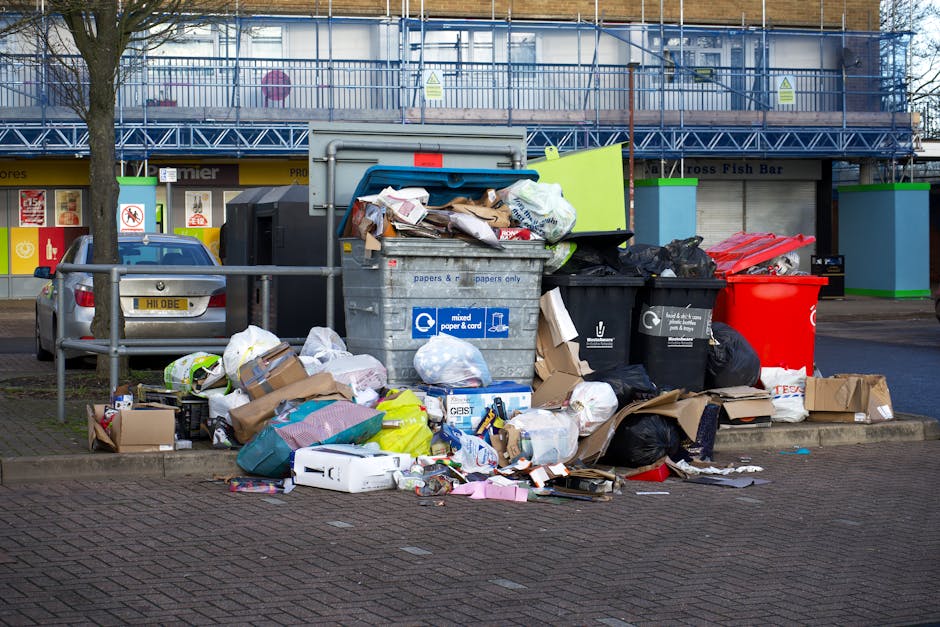
Rubbish recycling drop off points near Twickenham station
If you are trying to clear out a few bags of rubbish, a broken chair, old cardboard, or a box of mixed recyclables near Twickenham station, you probably want the same thing everyone wants: a simple drop-off option that does not waste your whole afternoon. The challenge is that rubbish recycling drop off points near Twickenham station are not always obvious, and the right choice depends on what you are trying to dispose of, how much you have, and whether the items are actually recyclable. Let's face it, nobody enjoys dragging a heavy bag across town only to find out it should not go in that particular container.
This guide breaks the subject down in plain English. You will learn how drop-off points work, what they are best for, what to avoid, and how to choose the most practical option for your situation. We will also cover common mistakes, a useful checklist, and a realistic comparison of the main disposal routes so you can make a cleaner, quicker decision.
For broader support with removals, recycling, and organised clearances, you may also find our waste removal service and recycling and sustainability guidance helpful.
Table of Contents
- Why rubbish recycling drop off points near Twickenham station matter
- How rubbish recycling drop off points near Twickenham station works
- Key benefits and practical advantages
- Who this is for and when it makes sense
- Step-by-step guidance
- Expert tips for better results
- Common mistakes to avoid
- Tools, resources and recommendations
- Law, compliance, standards, or best practice
- Options, methods, or comparison table
- Case study or real-world example
- Practical checklist
- Conclusion
- Frequently asked questions
Why Rubbish recycling drop off points near Twickenham station Matter
Near a busy station, convenience matters more than people admit. You may be coming off a train with one bag too many, or you may live nearby and simply want a sensible way to deal with waste without booking a full collection. A nearby drop-off point can save time, reduce clutter at home, and keep recyclable materials moving into the right streams instead of lingering in the shed, hallway, or boot of the car. That last one happens a lot, by the way. The "temporary storage" in the boot tends to become permanent rather quickly.
The bigger picture is just as important. Recycling and responsible disposal help reduce contamination, support reuse, and keep rubbish out of general waste where it can be harder to recover value. Around Twickenham, many households and small businesses also need flexible options for mixed items, packaging, light bulky waste, and the odd problem object that never quite fits a normal bin day. Drop-off points fill that gap.
They also matter because not everything should be treated the same. Clean cardboard, glass, metal, electrical items, and garden waste all have different handling needs. If you put the wrong material in the wrong place, you can create extra sorting work or even make a load unsuitable for recycling. To be fair, it is easy to get caught out if you are rushing.
Practical takeaway: the best drop-off point is not just the nearest one. It is the one that accepts your specific waste type, has a sensible opening time, and lets you dispose of it without creating another errand.
How Rubbish recycling drop off points near Twickenham station Works
Most drop-off points work on a straightforward principle: you separate your waste, transport it yourself, and place it into the correct designated container or hand it to staff if the site operates that way. In practice, the details vary. Some sites are for household recycling only, some accept small amounts of mixed rubbish, and others are designed for particular materials such as cardboard, metals, textiles, or electricals.
The process usually goes something like this:
- You identify what you have: recyclable material, general rubbish, bulky items, or specialist waste.
- You check what the drop-off point accepts and whether there are restrictions on quantity, vehicle type, or packaging.
- You sort items at home before travelling, because sorting at the site is rarely convenient and sometimes not allowed.
- You transport the material safely, ideally in bags, boxes, or tied bundles that are easy to unload.
- You place each item into the right container or follow staff instructions.
That sounds simple, and often it is. But the devil is in the detail. A wet cardboard box is not the same as a clean stack of cardboard. A battery is not the same as an old charger cable. And a sofa frame is not going to fit neatly into a container designed for household recyclables. One misplaced item can throw the whole thing off.
If you are dealing with larger or more mixed waste and do not want to handle multiple trips, an arranged clear-out may be more practical. Our house clearance service and furniture disposal option are useful examples of when a collection-based solution may make more sense than a drop-off run.
Key Benefits and Practical Advantages
There are good reasons people keep looking for rubbish recycling drop off points near Twickenham station instead of relying on general waste bins alone.
- Speed: for small loads, drop-off can be quicker than waiting for the next collection day.
- Flexibility: you can take waste when it suits you, rather than rearranging your week around a collection slot.
- Better sorting: if you have separated materials, you improve the chance they go through the right recycling route.
- Less clutter at home: a garage, hallway, or spare room fills up surprisingly fast, and it is rarely just one thing.
- Useful for odd items: chargers, cables, broken chairs, packaging, and small household items can often be dealt with more efficiently when you know the right destination.
There is another advantage people overlook: peace of mind. You know where the material has gone. You have not left it in a corner hoping it somehow sorts itself out. That sounds silly, but everyone has had that one "I'll deal with it later" pile. Later tends to arrive with interest.
For readers interested in reducing waste more broadly, our posts on cutting household waste and improving home recycling habits offer good practical follow-on reading.
Who This Is For and When It Makes Sense
This kind of local disposal option is useful for a lot of different people. You may not think of yourself as someone who needs a "waste strategy", but if you live, work, or travel near the station, the need can crop up quickly.
Typical people who benefit
- Local residents clearing out small household items or packaging waste.
- Commuters who want to dispose of recyclable items without making a separate long journey.
- Renters and flat-sharers with limited storage, shared bins, or awkwardly timed collections.
- Small businesses handling cardboard, office recyclables, or light clear-out waste.
- Landlords and agents preparing a property between tenancies.
- People doing a mini-clearout after sorting a wardrobe, cupboard, loft corner, or under-stairs stash.
It makes sense when your load is small to moderate, your items are mostly accepted by the site, and you can sort them without a big hassle. It may not make sense if you have heavy furniture, building rubble, confidential paperwork, or mixed waste that needs separate handling. In those cases, a collection service, or a specialist clearance route, may be far less stressful.
Business users should also think about duty of care and record-keeping. If you are handling waste commercially, you need to be careful about where it goes and who accepts it. That is one of those unglamorous but necessary parts of running a business properly.
Step-by-Step Guidance
If you want the smoothest possible experience, it helps to follow a simple sequence. A little preparation saves a surprising amount of time on the day.
- Identify the waste type. Separate recyclable materials from general rubbish. If you are not sure about an item, treat it carefully and check the site's rules before travelling.
- Sort at home. Group cardboard, metal, glass, textiles, electrical items, and general rubbish into separate containers or bags. The less mixing, the better.
- Remove contamination. Empty food containers where possible, flatten cardboard, and make sure items are reasonably clean and dry. Sticky pizza boxes and greasy takeaway cartons are classic troublemakers.
- Check access and opening times. Near stations, timings can matter a lot. You do not want to arrive with a boot full of recycling only to find the site closed or full.
- Plan your route. If you are carrying a larger load, think about parking, walking distance, stairs, and whether you can unload safely.
- Take the right paperwork if needed. This is more relevant for business waste or larger arranged drops. Keep any notes or receipts you may need.
- Unload carefully. Protect yourself from sharp edges, heavy bags, and awkward lifting. A bit of caution here is just common sense.
- Keep a note of what went where. Especially useful if you are a business owner, landlord, or anyone trying to stay organised over time.
If the load turns out to be bigger than expected, do not force it into a drop-off plan that was only ever meant for a couple of bags. That is when frustration starts creeping in. Better to pause and choose the right disposal method than to make three wasted trips.
Expert Tips for Better Results
Over time, a few small habits make recycling drop-off much easier. None of them are complicated, but they do make a difference.
- Keep a "recycling ready" corner at home. A box for cardboard, a bag for textiles, and a tub for small electricals makes sorting less of a faff.
- Flatten before you leave. Cardboard and cartons take up far less space if they are flattened first. It sounds obvious, yet people forget constantly.
- Bundle cables together. Loose chargers and cables tangle easily. A simple tie or bag saves time later.
- Separate fragile from sharp. Broken glass, sharp metal, and loose screws should be handled with care, especially if you are transporting them by foot or bike.
- Do not guess on specialist waste. Batteries, paint, chemicals, and other hazardous items need extra caution. If in doubt, do not mix them into normal rubbish.
- Use quieter times where possible. Early in the day or outside the rush can make loading and unloading a lot less stressful. Less queueing, less noise, less hassle.
One tiny but useful habit: keep a reusable tote, a roll of tape, and a marker in the car or hallway. Then you can label items quickly and avoid the "which bag is this again?" mystery. We have all been there.
Common Mistakes to Avoid
Most problems with local drop-off waste are not dramatic. They are just the sort of small errors that make the trip slower, messier, or less effective.
- Arriving with mixed waste and hoping for the best. Sites usually work best when items are already separated.
- Taking contaminated recycling. Food-soiled or dirty material may be rejected or downgraded.
- Assuming all plastic is recyclable everywhere. That is rarely true. Different facilities accept different formats.
- Ignoring access rules. Some sites have limits on vehicles, volume, or unloading methods.
- Leaving hazardous items in general waste. This can cause safety issues and extra handling problems.
- Planning too late in the day. Tricky timing is one of the most common reasons a simple errand turns into a wasted journey.
A more subtle mistake is underestimating how much waste you actually have. One cupboard can turn into two bags, then four, then a surprisingly large pile of packaging and old bits you forgot existed. Funny how that works.
Tools, Resources and Recommendations
You do not need fancy equipment, but a few simple tools make rubbish recycling drop off points near Twickenham station much easier to use.
- Strong reusable bags or boxes: ideal for carrying mixed but separated items safely.
- Markers and labels: useful for labelling contents, especially if you are managing several categories.
- Gloves: handy for sharp or dusty items, especially during a big clear-out.
- Tape, scissors, and string: useful for flattening and securing cardboard or bundling cables.
- A checklist: prevents forgotten items and reduces repeat trips.
- Vehicle boot liner or tarp: helpful if you are moving dusty, messy, or awkward loads.
For some readers, a collection-based solution is simply better. If you have bulky items, office clutter, or a home clear-out that involves too many separate materials, our home clearance, flat clearance, and office clearance pages may be worth a look. If you are dealing with garden waste, the garden clearance service can also be a better fit than trying to squeeze green waste into an unsuitable bin route.
And if your load is mainly household furniture or larger household items, you may find the furniture clearance option easier than repeated drop-offs. Simple as that.
Law, Compliance, Standards, or Best Practice
Waste disposal in the UK is not something to be casual about, particularly when business waste, mixed loads, or specialist materials are involved. While householders usually focus on practicality, there are still sensible standards to follow.
Best practice includes:
- using approved facilities or recognised disposal routes;
- sorting waste honestly and avoiding contamination;
- keeping hazardous or specialist items separate;
- making sure commercial waste is passed to an appropriate, lawful handler;
- keeping receipts or notes where they are useful for business records or peace of mind.
If you are unsure whether an item counts as hazardous or needs extra care, it is better to pause and check than to improvise. That is especially true for chemicals, batteries, paints, solvents, and certain electrical goods. Our hazardous waste guide explains the topic in plain language, which can save a lot of uncertainty.
For local residents and businesses alike, compliance is really about this: use the right route, keep the waste cleanly separated, and do not offload responsibility onto the wrong system. It is not glamorous, but it keeps things tidy and avoids avoidable problems later.
Options, Methods, or Comparison Table
Sometimes the best answer is not a drop-off point at all. It depends on the size, type, and urgency of your waste. Here is a simple comparison to help you decide.
| Option | Best for | Pros | Watch out for |
|---|---|---|---|
| Recycling drop-off point | Small, sorted recyclable items | Flexible, often quick, good for clean materials | Limited material types, access rules, transport needed |
| Kerbside collection | Routine household recycling | Convenient and familiar | Schedule-based, less flexible, limited to accepted bin contents |
| Booked waste removal | Mixed loads, bulky items, awkward clear-outs | Saves time, handles heavier items, less lifting for you | Costs more than a simple drop-off, must book in advance |
| Specialist collection | Office waste, furniture, builders waste, or niche items | Better fit for specific waste streams | Needs the right provider and clear item list |
For many people near Twickenham station, the decision comes down to this: if you have a few clearly recyclable items, drop-off is great. If the pile is growing, mixed, or physically awkward, a professional collection is usually the calmer choice. Nobody needs a heroic Saturday spent wrestling a dismantled wardrobe through a busy pavement.
Case Study or Real-World Example
Here is a realistic scenario. A tenant in a flat near Twickenham station has just finished a small bedroom refresh. The result is a box of old cables, a broken bedside lamp, flattened cardboard, a bag of packaging, and one awkward dining chair that has seen better days. At first glance, it looks manageable. In practice, the chair is too big for a normal recycling point, the lamp contains electrical components, and the rest needs sorting before anyone sets off.
What works well here is a split approach. The cardboard and clean packaging are separated for recycling, the cables and small electrical items are grouped for a suitable disposal route, and the chair is either taken via a furniture disposal service or included in a broader clearance. That way, nothing gets forced into the wrong stream, and the resident avoids making multiple pointless trips.
It is a tiny example, but a common one. Most waste problems are not huge. They are just a bit awkward. Once the load is divided into the right parts, the whole job feels much lighter.
Practical Checklist
Use this before you head out to a drop-off point near Twickenham station:
- Have I identified exactly what items I am taking?
- Have I separated recyclable materials from general rubbish?
- Are any items wet, dirty, greasy, or contaminated?
- Do I know whether the site accepts these materials?
- Have I checked opening times and access arrangements?
- Do I need gloves, labels, tape, or bags?
- Is anything sharp, fragile, or heavy enough to need extra care?
- Should any items be kept separate as hazardous or specialist waste?
- Would a collection service be easier for this load?
- Do I have enough space and time to unload properly?
That checklist sounds basic, but it prevents most of the annoying surprises. And yes, surprises are usually the last thing you want when standing in a car park with recycling bags cutting into your hands.
Get a free quote today and see how much you can save.
Conclusion
Rubbish recycling drop off points near Twickenham station are a practical, local answer for people who want to dispose of smaller amounts of waste in a responsible way. They work best when you sort items in advance, understand what the site accepts, and choose the right disposal route for the material in front of you. That simple bit of planning makes the whole process smoother, cleaner, and a lot less frustrating.
If your waste is light, sorted, and manageable, a drop-off point can be exactly what you need. If it is bulky, mixed, or awkward, then a collection-based service may save you far more time and stress. The right option is the one that fits the job properly, not the one that merely seems nearest on a busy day.
Either way, getting waste out of the house, sorted correctly, and moved on responsibly is a good feeling. Small win, but a proper one.
Frequently Asked Questions
What can I take to rubbish recycling drop off points near Twickenham station?
That depends on the specific site, but many accept common recyclables such as cardboard, paper, glass, metals, textiles, and some small electrical items. Always check before you travel, because acceptance rules can vary quite a bit.
Can I drop off general household rubbish as well as recycling?
Sometimes, but not always. Some points are recycling-only, while others accept mixed waste or limited general rubbish. If you have mostly general waste, a booked rubbish removal service may be more practical.
Do I need to sort everything before I arrive?
Yes, ideally. Sorting at home makes the process quicker and reduces the risk of putting items in the wrong container. A little prep goes a long way.
Are bulky items accepted at local drop-off points?
Usually not in the same way smaller recyclable items are. Bulky furniture, mattresses, and large household items are often better handled through a clearance or disposal service.
What should I do with old cables, chargers, and small electronics?
Keep them separate from ordinary rubbish. Many sites have specific handling for small electricals and e-waste. If you are unsure, do not mix them into general waste.
Is it better to use a drop-off point or book a collection?
If your load is small, sorted, and easy to carry, drop-off can be the better choice. If it is large, mixed, heavy, or time-sensitive, collection is usually simpler and less stressful.
Can businesses use these drop-off points too?
Some can, but business waste often comes with extra rules and expectations. Commercial users should be careful about duty of care and make sure the waste is handled through the correct route.
How do I avoid contamination in recycling?
Empty containers where possible, keep food residue to a minimum, and separate materials by type. Wet or greasy items can reduce the quality of recycling and may be rejected.
What if I have hazardous waste?
Do not place it in normal rubbish or standard recycling. Hazardous items need special handling. If you are unsure whether something counts as hazardous, treat it cautiously and get clear guidance before disposal.
Are there costs involved in using drop-off points?
That depends on the type of facility and what you are disposing of. Some recycling points are free for certain items, while other waste streams may carry charges. It is always worth checking before setting off.
What is the quickest way to prepare for a drop-off run?
Sort the waste into categories, flatten cardboard, bag loose items safely, and check what the site accepts. If you are carrying a mixed load, a checklist helps stop little things from being forgotten.
What if I am not sure whether my item is recyclable?
If in doubt, do not guess. Separate it, check the relevant guidance, and choose the most suitable route. A wrong assumption can create more work later, and nobody wants that second trip.